

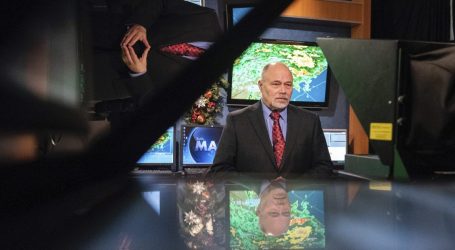
Weathercasters Are Talking About Climate Change—and How We Can Solve It
A meteorologist in Victoria, Texas.Matthew Westmoreland/AP This piece was originally published in Grist and appears here as part of our Climate Desk Partnership. For many years, as the science of human-caused climate change grew ever clearer, TV meteorologists avoided discussing the topic on air. Today, many weathercasters bring up climate change regularly. By embracing the…

Native Species or Invasive? The Distinction Blurs as the World Warms
An European parrotfish in Aegean Sea in Turkey.Atese/Getty This piece was originally published in Yale Environment 360 and appears here as part of our Climate Desk Partnership. Across the warming globe, a mass exodus of tens of thousands of species is transforming the distribution of biodiversity—and challenging fundamental tenets in conservation policy and science. Are policymakers,…
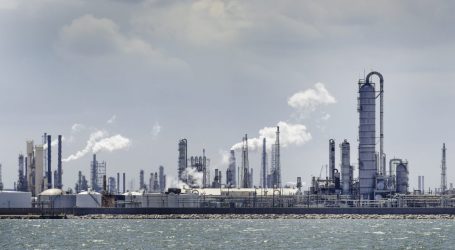
Big Oil Wants to Dump More Wastewater Into Rivers. What Could Possibly Go Wrong?
An oil refinery in Texas./Getty This piece was originally published in Grist and appears here as part of our Climate Desk Partnership. For more than six months, twin brothers Ronald and Donald Schweitzer have watched large amounts of salty wastewater bubble up from the ground in their wheat field. The “saltwater purge” has killed three…
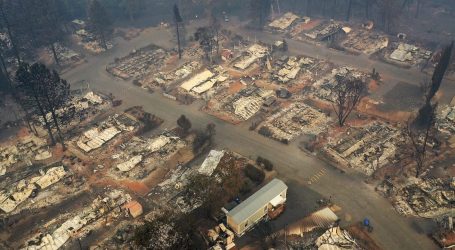
New Emails Reveal that the Trump Administration Manipulated Wildfire Science to Promote Logging
An aerial view of a neighborhood destroyed by the Camp Fire on November 15, 2018 in Paradise, California.Justin Sullivan/Getty This piece was originally published in the Guardian and appears here as part of our Climate Desk Partnership. Political appointees at the Interior Department have sought to play up climate pollution from California wildfires while downplaying emissions from…
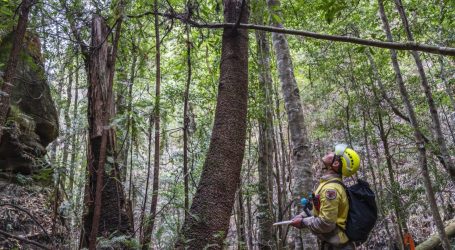
A Rare Species of Tree Was Saved from Australia’s Wildfires. And Then Something Amazing Happened.
NSW National Parks and Wildlife Service personnel inspect Wollemi pine trees in the Wollemi National Park, New South Wales, Australia.NSW National Parks and Wildfire Service/AP This piece was originally published in the Bulletin of the Atomic Scientists and appears here as part of our Climate Desk Partnership. Buried amid the horrific news from Australia about climate…
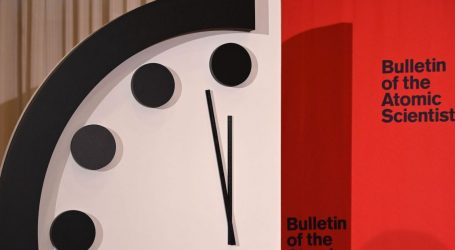
According to the Doomsday Clock, We’re Down to 100 Seconds Before Midnight. Plan Accordingly.
The Doomsday Clock reads 100 seconds to midnight, a decision made by The Bulletin of Atomic Scientists.Eva Hambach/Getty Thursday morning, scientists responsible for maintaining the Doomsday Clock—a metaphor for how close mankind stands to its own destruction—announced that it advanced 20 seconds from last year, to within 2 minutes of midnight, the bookend marking human…